
想像一下,現在是2026年。你遇到任何問題,只要開口問,AI 助理都能給你詳細的解答、完整的報告,甚至還可以寫程式、做分析。當知識的取得變得像呼吸空氣一樣容易,我們不禁要問:孩子去學校,到底該學什麼?
這是許多父母真實的焦慮。看著AI工具快速的進化,我們擔心孩子學的技能是否下一秒就被淘汰。然而,這份不安也迫使我們反思一個更深層的問題:我們現行的教育,是否與真實人生的需求脫節?
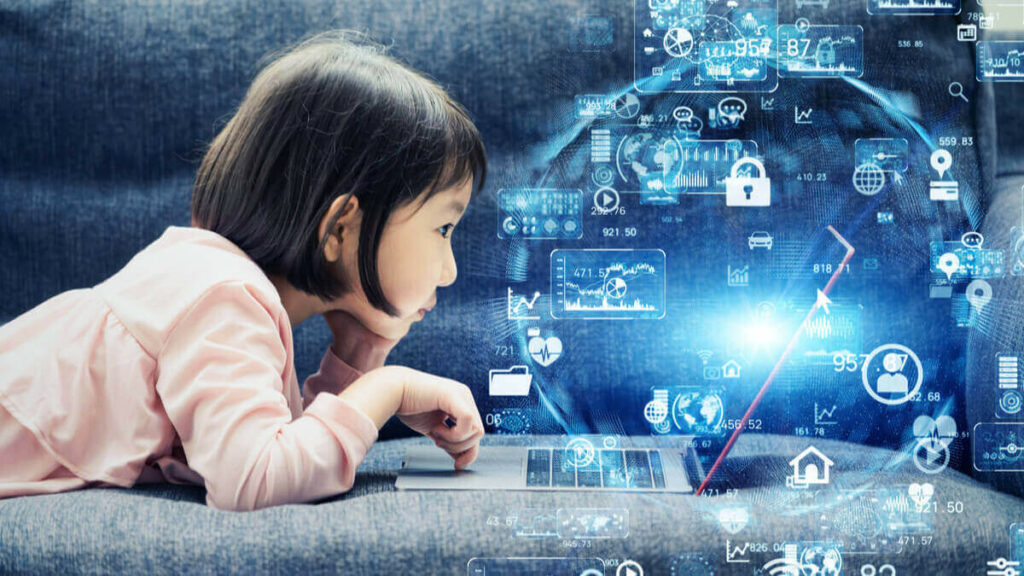
長久以來,無論是美國或許多國家的教育體系,都高度依賴考試來評量學生。但走出校園後,評論一個人的標準,並不是成績,品格、工作倫理,以及帶來的價值。學校教育若只瘋狂追求考試分數,就容易忽略那些讓人生真正成功的關鍵:解決問題的科技技能、出色的職業道德、對工作品質的高標準追求,以及與人協作的能力。
根據世界經濟論壇發佈的《2025年未來就業報告》,人工智慧、大數據、網路安全等先進技術能力,確實是成長最快的硬技能。但報告同樣指出,與之匹配的軟技能變得更為關鍵,包括:分析與創造性思維、韌性、靈活性、好奇心、終身學習能力,以及同理心等人際社交技能。
這份報告清楚揭示,科技的浪潮正推動一場教育的「典範轉移」。在過去,教育的核心是 「求知」 ——記誦事實、練習技巧。但在AI時代,這些「可被複製」的能力,價值正在下降。未來的教育,必須轉向 「求智」——這意味著品格與軟技能的教育必須融入每一天的學習中。學生不只學讀、寫、算,更要學習如何思考、如何合作、如何成為一個能與AI協作並發揮獨特人性光輝的完整的人。
這正是「超越教育」創辦人 John 一直以來的信念:教育不該只是填裝知識的容器,而該是點亮內在火炬的過程。當外在世界變化越來越快,我們能給孩子最珍貴的禮物,是那份「認識自己、堅定自己」的能力。這份能力,將成為他們穿越任何科技風暴的定錨。
認識自我是 AI 時代唯一的航標
在資訊爆炸的時代,我們每天被無數聲音包圍。但有一個根本問題越來越重要:「我/你想成為一個什麼樣的人?」
AI可以幫你寫出漂亮的文章,但它無法替你回答「你為什麼想寫這篇文章?」;AI 可以模擬面試回答,但它無法告訴你「你真正熱愛的是什麼?」。這就是為什麼,「我是誰」遠比「我會什麼」更重要。
你的價值觀、你的熱情、你面對困境的韌性——這些構成「你」的核心,是 AI 無法複製的靈魂。
超越教育的初心,正是幫助每位孩子找到這個 「內在的北極星」。我們在輔導學生的過程中發現,許多孩子成績優異,但在撰寫申請大學的論文或面試時,卻無法清晰地說出自己的故事。原因不在於能力不足,而在於他們很少被引導去思考:「我的決定是基於什麼價值觀?」
認識自己,是一個持續的旅程。這不只是軟性的「心靈成長」,而是未來世界最硬核的實力。因為當你清楚自己是誰,你才能在巨量的資訊中,做出屬於自己的選擇,走出獨特的生命路徑。
建立個人價值觀:在AI世界中守住靈魂
我們的日常生活,正被各種「算法」默默定義。如果不自覺,很容易活成「數據期望的樣子」。因此,建立清晰、堅定的個人價值觀與品格,是在AI時代「守住靈魂」的重要關鍵。
根據英國伯明罕大學「品格與美德鑽禧研究中心」的研究,未來所需的關鍵軟技能,可以歸類為三大品格面向:
- 智識品格:如創造力、好奇心、主動積極、終身學習。這關乎我們追求知識、理解世界與創新思維的方式。
- 表現品格:如韌性(復原力)、靈活性、敏捷性、自我覺察。這決定我們如何應對挑戰、管理自我並在壓力下保持效能。
- 道德品格:如關懷同理、尊重、節制、誠實正直。這指引我們如何與他人相處、做出合乎道德的判斷。
擁有穩固的價值觀與多面向的品格,就像內建了「防毒軟體」與「導航系統」,能幫助我們在假訊息與網路焦慮的洪流中保持清醒,拒絕被單一的數據標準所定義,並在複雜情境中做出明智選擇。
創辦人 John 常對學生說:「你的申請文件、面試表現,其實就是你價值觀與品格的『外顯成果』。」
一個能清楚闡述「我如何憑藉韌性克服某個失敗」或「我為何因同理心而發起某項行動」的學生,展現的正是獨立思考與內在力量,這遠比一份完美的成績單更能打動人心。
教育最根本的目標,一直都沒變,在AI時代也不會變:就是要培育出具備完整品格的「好人」——也就是善良、熱情、誠實、正直的人,能夠分辨是非,勇敢為對的事情挺身而出。
批判性思考與問題解決:不只是尋找答案,而是定義問題
AI 最強大的能力,是基於現有資料給出「答案」。但人類最珍貴的能力,是提出全新的「問題」。未來的挑戰,往往不是缺乏答案,而是我們問錯了問題。
批判性思考,就是這把智慧的鑰匙。它是一套嚴謹的思維方法:面對資訊時,問來源與證據;面對問題時,問核心與影響。
例如,與其問 AI:「如何提高我的學測成績?」(這只會得到制式的讀書方法),一個具備批判性思維的學生可能會問:「我目前學習的真正障礙是什麼?對我個人而言,『學好』的意義是什麼?」
這種從「尋找答案」到「定義問題」的轉變,能賦予學習真正的溫度與意義。學習不再是為了應付考試,而是為了滿足好奇心、解決關心的問題。當孩子開始為自己的學習「賦義」,內在動力便會源源不絕。
規劃專屬路徑:讓天賦在 AI 輔助下開花結果
未來最需要的,是能將獨特天賦與 AI 工具結合的「創作者」。
AI 不是一個威脅,它只是一個新工具,就像我們曾經遇到的網路、電腦和手機一樣,只是它更強大。這並不代表它沒有風險——例如,如果老師出的作業層次太低,學生很容易就讓 AI 代勞。但我們應該反過來思考:如何正確使用 AI 來讓學生的學習成果顯得更好?
關鍵在於,學生必須是最終的「創造力把關者」。若學生偷用AI寫作業不應該的話,那老師使用 AI 輔助批改作業道不道德?John 認為,如果老師抱著嘗試新工具的態度,並會親自審視 AI 給的建議是否合理,那就沒有道德問題。更重要的是,如果老師發現 AI 給出的某個教學建議或觀點比自己原先的更好,也應不吝於提供給學生,因為學生值得最好的指導。
教育,應該是一場量身訂製的旅程。每個孩子都有與生俱來的特質。我們深信 「適性、適才」的重要性。AI的角色不是「替代品」,而是最強大的 「槓桿」。發現自己「擅長的事」與「熱愛的事」,並學會用AI工具來放大,這就是在未來社會建立個人獨特性的藍圖。
尊重與合作:高科技時代更需要「高溫度」的人際關係
AI 可以分析數據,但它無法真正「理解」人類複雜的情感,也無法在團隊低潮時用給予支持。因此,當科技越發達,那些屬於人性的「溫度」能力,反而越珍貴。
這包括:
- 學習尊重多元觀點:AI 的決策基於數據與效率,人類的合作則能看見數據算不出的「脈絡」與「情感」。理解並尊重與自己不同的想法,是創意發想與解決複雜問題的基礎。
- 培養真正的共感與連結:我們希望孩子長大後懂得照顧別人,從關懷家人朋友,到關心社區與世界。這種在人際互動中培養出的信任感與歸屬感,是機器無法提供的。
我們相信教育的終極目標之一,是培養能促進「共同成長」的個體。一個不僅自己發光,也能照亮他人、願意協作的青少年,將是任何團隊都渴望的人才。
超越教育,陪孩子在科技叢林中找尋生命的光芒
面對 AI 時代,我們需要重新準備,但無須恐懼。我們要搞清楚這個新工具哪裡強、哪裡弱,但更要把焦點回歸教育的本質。
AI 僅僅是一個新工具,就像幾百年前普及的書本一樣。它不可能取代老師、家長和學校,更無法培育出「好人」。學校始終是孕育「好人」的核心場域,讓孩子們在這裡學習認真的態度、懂得付出、並自我追求高品質的成果。
未來的贏家,是 「最清楚自己是誰,並能將 AI 為己所用的好人」。他們的競爭力,來自清晰的自我認知、堅定的價值觀與多面向的品格、定義問題的思辨力,以及與人協作的溫暖力量。
「超越教育」存在的意義,正是為了陪伴孩子,一起進行這場重要的內在探索。我們深信,以天賦興趣、個人價值觀與完整品格為核心的教育,不僅能讓孩子掌握未來所需的智識與技能,更能為他們的人生裝備最關鍵的導航系統——一顆善良、熱情、堅定且充滿韌性的心。
這條路,通向的是一個更自主、更堅韌、更能發光,也更能關懷世界的未來。讓我們一起,超越對分數的焦慮,超越對科技的盲從,回歸教育的初心:點燃每個孩子內在的生命光芒,陪伴他們自信、正直的走進屬於自己的時代。
New Perspectives on Character Education in the AI Era: When AI Can Do Everything, What Kind of Person Should a Child Become?
Imagine it’s 2026. You encounter any problem, and just by asking, an AI assistant can provide you with detailed explanations, comprehensive reports, and even write code or perform analysis. When acquiring knowledge becomes as easy as breathing air, we can’t help but ask: What exactly should children go to school to learn?
This is the real anxiety of many parents. Watching AI tools evolve rapidly, we worry whether the skills our children are learning will become obsolete the next second. Yet, this unease also forces us to reflect on a deeper question: Is our current education system out of sync with the real needs of life?
For a long time, education systems, whether in the United States or many other countries, have heavily relied on exams to assess students. But outside of school, the criteria for judging a person are not grades, but character, work ethic, and the value they bring. If school education only frantically pursues test scores, it easily overlooks the keys to true success in life: problem-solving technical skills, excellent professional ethics, the pursuit of high standards in work quality, and the ability to collaborate with others.
According to the World Economic Forum’s Future of Jobs Report 2025, advanced technical capabilities in artificial intelligence, big data, and cybersecurity are indeed the fastest-growing hard skills. But the report equally points out that matching soft skills have become even more critical, including: analytical and creative thinking, resilience, flexibility, curiosity, lifelong learning ability, and interpersonal social skills like empathy.
This report clearly reveals that the wave of technology is driving a “paradigm shift” in education. In the past, the core of education was “the pursuit of knowledge” — memorizing facts and practicing techniques. But in the AI era, the value of these “replicable” abilities is declining. Future education must shift towards “the pursuit of wisdom” — this means that education in character and soft skills must be integrated into daily learning. Students should not only learn to read, write, and calculate, but also learn how to think, how to cooperate, and how to become a complete person who can collaborate with AI and shine with unique human brilliance.
This has always been the belief of John, founder of Beyond Education: Education should not be a vessel for filling knowledge, but a process of igniting the inner torch. When the external world changes faster and faster, the most precious gift we can give our children is the ability to “know themselves and be steadfast.” This ability will become their anchor through any technological storm.
▍Self-Knowledge is the Only Guiding Star in the AI Era
In an era of information explosion, we are surrounded by countless voices every day. But one fundamental question is becoming increasingly important: “What kind of person do I/you want to become?”
AI can help you write beautiful articles, but it cannot answer for you, “Why do you want to write this article?”; AI can simulate interview answers, but it cannot tell you, “What are you truly passionate about?” This is why “who I am” is far more important than “what I can do.”
Your values, your passions, your resilience in the face of adversity—these elements that constitute the core of “you” are the soul that AI cannot replicate.
The original intention of Beyond Education is precisely to help each child find this “inner North Star.” In our process of mentoring students, we have found that many children have excellent grades but struggle to clearly articulate their own stories when writing college application essays or during interviews. The reason is not a lack of ability, but that they are rarely guided to think: “What values are my decisions based on?”
Knowing oneself is an ongoing journey. This is not just a soft “spiritual growth,” but the most hardcore capability for the future world. Because when you are clear about who you are, you can make your own choices amidst a flood of information and walk a unique life path.
▍Building Personal Values: Preserving the Soul in an AI World
Our daily lives are being quietly defined by various “algorithms.” If we are not conscious, it’s easy to live as “the version expected by data.” Therefore, establishing clear, firm personal values and character is a crucial key to “preserving the soul” in the AI era.
According to research by the Jubilee Centre for Character and Virtues at the University of Birmingham, the key soft skills needed for the future can be categorized into three dimensions of character:
- Intellectual Character:Such as creativity, curiosity, proactivity, lifelong learning. This pertains to how we pursue knowledge, understand the world, and innovate in thinking.
- Performance Character:Such as resilience, flexibility, agility, self-awareness. This determines how we face challenges, manage ourselves, and maintain effectiveness under pressure.
- Moral Character:Such as care and empathy, respect, temperance, honesty, and integrity. This guides how we interact with others and make ethical judgments.
Possessing solid values and multi-faceted character is like having built-in “antivirus software” and a “navigation system.” It helps us stay clear-headed amidst the flood of misinformation and online anxiety, refuse to be defined by singular data standards, and make wise choices in complex situations.
Founder John often tells students: “Your application documents, your interview performance, are actually the ‘external manifestations’ of your values and character.”
A student who can clearly articulate “how I overcame a failure with resilience” or “why I initiated an action out of empathy” demonstrates independent thinking and inner strength, which is far more impressive than a perfect transcript.
The most fundamental goal of education has never changed and will not change in the AI era: to cultivate “good people” with complete character—that is, kind, passionate, honest, and upright individuals who can distinguish right from wrong and bravely stand up for what is right.
▍Critical Thinking and Problem-Solving: Not Just Finding Answers, But Defining Problems
AI’s most powerful ability is to provide “answers” based on existing data. But humanity’s most precious ability is to ask entirely new “questions.” Future challenges often lie not in a lack of answers, but in us asking the wrong questions.
Critical thinking is the key to this wisdom. It is a rigorous thinking methodology: when facing information, question its source and evidence; when facing a problem, question its core and impact.
For example, instead of asking AI: “How can I improve my college entrance exam scores?” (which would only yield generic study methods), a student with critical thinking skills might ask: “What is the real obstacle to my current learning? What does ‘learning well’ mean to me personally?”
This shift from “seeking answers” to “defining problems” can give learning real warmth and meaning. Learning is no longer just for passing exams, but for satisfying curiosity and solving problems one cares about. When children begin to “assign meaning” to their own learning, internal motivation becomes inexhaustible.
▍Planning a Personalized Path: Letting Talent Blossom with AI Assistance
What the future needs most are “creators” who can combine unique talents with AI tools.
AI is not a threat; it is merely a new tool, just like the internet, computers, and mobile phones we once encountered, only more powerful. This does not mean it is without risks—for example, if a teacher assigns homework at too low a level, students can easily let AI do it. But we should think the other way around: How can we use AI correctly to make students’ learning outcomes even better?
The key is that the student must be the ultimate “gatekeeper of creativity.” For instance, John once mentored a student editor of a school newspaper. After conducting an interview, the student used AI to help organize key interview points, generate a first draft, and even polish sentences—this is completely fine. But the final article structure, choice of perspectives, and emotional narrative were led by the student. AI played the role of an efficiency tool here, but the soul of the work came from the student.
Similarly, if it’s wrong for a student to secretly use AI to write homework, is it ethical for a teacher to use AI to assist in grading homework? John believes that if the teacher approaches it with an attitude of trying a new tool and personally reviews whether the suggestions given by AI are reasonable, then there is no ethical issue. More importantly, if a teacher finds that a certain teaching suggestion or perspective provided by AI is better than their original one, they should not hesitate to offer it to the students, because students deserve the best guidance.
Education should be a tailored journey. Every child has innate traits. We firmly believe in the importance of “suitability to nature and aptitude.” The role of AI is not a “substitute,” but the most powerful “lever.” Discovering what one is “good at” and “passionate about,” and learning to amplify it with AI tools—this is the blueprint for building personal uniqueness in future society.
▍Respect and Collaboration: The High-Tech Era Needs “High-Touch” Human Relationships Even More
AI can analyze data, but it cannot truly “understand” complex human emotions, nor can it offer support when a team is facing low morale. Therefore, as technology advances, those “warm” human abilities become even more precious.
These include:
- Learning to Respect Diverse Perspectives:AI’s decisions are based on data and efficiency, while human collaboration can see the “context” and “emotions” that data cannot calculate. Understanding and respecting ideas different from one’s own is the foundation for creative brainstorming and solving complex problems.
- Cultivating Genuine Empathy and Connection:We hope children grow up knowing how to care for others, from family and friends to the community and the world. The sense of trust and belonging cultivated through human interaction is something machines cannot provide.
We believe one of the ultimate goals of education is to cultivate individuals who can promote “mutual growth.” A young person who not only shines themselves but also illuminates others and is willing to collaborate will be the talent any team desires.
▍Beyond Education: Accompanying Children to Find the Light of Life in the Tech Jungle
Facing the AI era, we need to re-prepare, but there is no need for fear. We need to understand where this new tool is strong and where it is weak, but more importantly, we must return our focus to the essence of education.
AI is merely a new tool, like books that became widespread centuries ago. It cannot replace teachers, parents, or schools, let alone cultivate “good people.” Schools will always remain the core arena for nurturing “good people,” where children learn a serious attitude, understand the importance of giving, and pursue high-quality outcomes for themselves.
The winners of the future will be “good people who know themselves best and can use AI for their own purposes.” Their competitiveness comes from clear self-awareness, firm values and multi-faceted character, the critical thinking ability to define problems, and the warm power of collaboration.
The reason for Beyond Education’s existence is precisely to accompany children on this important journey of internal exploration. We firmly believe that education centered on innate talent, interests, personal values, and complete character can not only equip children with the knowledge and skills needed for the future but also provide them with the most crucial navigation system for life—a kind, passionate, steadfast, and resilient heart.
This path leads to a future of greater autonomy, resilience, the ability to shine, and the capacity to care for the world. Let us together transcend anxiety over scores, transcend blind obedience to technology, and return to the original intent of education: to ignite the inner light of life in every child and accompany them as they walk confidently and uprightly into their own era.